If you’re planning a trip to an Arab country, it’s helpful to learn phrases for greetings and everyday conversational expressions like apologizing, asking for permission, and saying thank you. However, it can also be useful to pick up some bad words and insults in Arabic with their meanings—not to start fights, but to better understand Arab culture.
Overview of Arabic insults
Insults in Arabic, much like in other languages, serve as an outlet for anger, frustration, or resentment. While it’s never advisable to use these Arabic vulgar words offensively, knowing them can be helpful for avoiding misunderstandings and navigating Arab culture.
Insults in Arabic generally target aspects like intelligence, family, honor, or religion, with varying levels of severity depending on the social context.
How يا
(ya) prefaces insults in Arabic
When addressing someone to insult them, start with يا (ya), similar to “hey” or “you” in English:
- يا كلب
You dog!
- يا حمار
You donkey!
Using يا
is common in both regular and impolite speech. Let’s dive into the different categories of bad words in Arabic language and their meanings across various dialects.
1. Mild Arabic insults
Mild Arab insults often target intelligence, manners, and behavior or make animal comparisons. These insults reveal the values in Arab societies regarding education, manners, and social norms.
- Intelligence and education: Insults targeting someone’s intelligence, such as calling them غبي
(stupid) or مغفل
(idiot), underscore the importance placed on education and intellectual capability. In Arab societies – like most others – being educated and knowledgeable is highly valued.
- Mental health stigma: Terms like مجنون
(crazy) or متخلّف
(retarded) reveal the stigma around mental health issues. Mental health is often a sensitive topic, and such insults can be particularly damaging, reflecting a broader societal challenge in addressing and accepting mental health conditions. Again, such stigmas are not unique to Arab culture.
Get free Arabic videos with interactive captions for your level

- Behavior and manners: Insults that describe someone as غليظ
(coarse), قليل ذوق
(tactless) or قليل أدب
(impolite) emphasize the importance of good manners and respectful behavior.
- Animal comparisons: Many insults connect with animals, such كلب (dog)
or حمار (donkey)
. Different animals symbolize different traits, and not all animals are used as insults; some are used as pet names.
By understanding these cultural nuances, you can better appreciate the depth and complexity of Arabic insults and what they reveal about Arab values.
Here’s a table of relatively mild Arabic insults in singular masculine form. For most of these words, to convert them to feminine form, it suffices to add the letter ـة at the end.
| English | Levantine | Egyptian | Gulf | Darija | Notes |
| Dog | كلب
| كلب
| كلب
| كلب
| Implies being disloyal, treacherous, or morally low, often conveying a sense of contempt. Can imply a person is subservient or shameless, as dogs can sometimes be associated with submission. |
Donkey
Jackass | حمار
جحش
| حمار
جحش
| حمار
| حمار
| Implies that someone is being stubborn, unintelligent, or foolish. Donkeys are often stereotyped as being slow and obstinate, so it suggests that they’re acting in a dumb or stubborn way. |
| Animal | حيوان
| حيوان
| حيوان
| حيوان
| Implies behaving in a crude, uncivilized, or unintelligent manner. Suggests that someone lacks refinement or basic social norms, acting instinctively or without thought, like an animal. |
| Livestock | بهيم
بهيمة
| بهيم
بهيمة
| بهيم
بهيمة
| بهيمة
| Similar in meaning to حيوان (animal) |
| Pig | خنزير
| خنزير
| خنزير
| خنزير
| Implies someone is dirty, immoral, or shameless, often associated with filth or greed. In Islamic cultures, the pig is considered impure, making this insult particularly offensive. |
Beast
Brute | حقير
| حقير
| حقير
| حقير
| Meaning “despicable” or “contemptible,” it implies that the person is dishonorable and unworthy of respect. |
| Goat | تيس
| تيس
| X | X | Implies that someone is stubborn or foolish, but can also be used in a light-hearted way, depending on context. |
Stupid
Idiot
Fool | غبي
أهبل
أجدب
بليد
سطل
سمج
| غبي
أهبل
بليد
أهطل
عبيط
سمج
| غبي
أهبل
سمج
تنبل
أهطل
| غبي
أثول
مكلخ
مجمّك
مبوهل
مطرنن
| |
| Liar | كذّاب
خرّيط
| كدّاب
| كذّاب
| عيّار
كذّاب
كدّاب
| |
| Crazy | مجنون
| مجنون
| مجنون
خبل
| مجنون
احمق
مسطّي
هبيل
| |
| Retarded | متخلّف
| متخلّف
| متخلّف
| معوّق
| |
| Shoe | صرماية
| جزمة
| جوتي
| صبّاط
| Shoes are considered filthy in the Arab world |
Rotten
Vile
Foul |
سافل
قذر
|
معفّن
سافل
رمّة
| حقير
وسخ
نذل
سافل
| خايس
خامج
معفون
| |
| Filthy | وسخ
| وسخ
| وسخ
| موسخ
مقدور
| |
Impure
Defiled | نجس
| معفن
| نجس
| منجوس
منگوس
| Means filthy or impure in an Islamic context |
| Lowlife | واطي
| واطي
| X | X | |
| Disgraceful | عايب
| عايب
عرة
| عايب
| عايب
| |
| Annoying | X | بيضان
بيض
| X | قلاوي
| Literally: “testicles.” It’s used to describe anything annoying, not just people. |
| Shameless | وقح
عديم الحيا
قليل الحيا
| قليل الحيا
| وقح
قليل الحيا
| قليل الحيا
| |
| Lacking tact | قليل الذّوق
| قليل الذّوق
| قليل الذّوق
| قليل الادب
| |
| Lacking manners | قليل الأدب
| قليل الأدب
| قليل الأدب
| قليل الادب
| |
| Lacking good upbringing | قليل الأصل
| قليل الأصل
| قليل الأصل
| قليل الأصل
| |
| Unpleasant | تقيل الدم
سمج
| سمج
| ثقيل دم
ثقيل طينة
| قبيح
تقيل
| |
| Lame, boring (Literally: acidic, sour) | ممل
| ممل
| ممل
| حامض
| |
| Thief | حرامي
| حرامي
| حرامي
| سرّاق
| |
| Grumpy | نفسيتو حامضة
نكدي
| مقريف
نكدي
| نكد
منكد
| مقلوب
مخضر
مغير
| |
Though these insults are generally considered offensive and impolite, they’re regarded as less severe compared to insults directed against one’s family.
Just adding ابن الـ
(son of) to insults such as كلب
or جزمة
makes them instantly more insulting, as in ابن الكلب
(son of a dog) or ابن الجزمة
(son of a shoe). But note that this doesn’t apply to all insults, so you wouldn’t usually hear ابن الحمار
.
For others in Egyptian, the insult gets transferred to one’s mother for added intensity, such as ابن المجنونة
(son a madwoman) instead of just مجنون
or ابن الوسخة
(son of a filthy woman) instead of just وسخ
. These terms are kind of fixed too, so you wouldn’t normally hear يا ابن المجنون
or يا ابن الوسخ
.
From an Egyptian clip, one of the diverse real-world videos available on Playaling.
Insults in Arabic can reveal much about Arab values and the social weight of respect and family. By recognizing the different forms, you can appreciate the depth of swear words in Arabic and what they reveal about cultural norms.
2. Religious and familial curses in Arabic
Religion is deeply integrated into daily life, and although these insults are described as relatively mild, cursing someone’s religion or God is still considered among the gravest insults. Such insults reflect the importance of religious respect and can lead to serious social and personal repercussions.
Understanding these insults provides valuable insight into Arab societal values and the profound respect they have for their religious beliefs and family ties. This knowledge can help navigate interactions in Arabic-speaking contexts more respectfully and avoid unintentional offense.
Here is a table of religious and familial curses found in various spoken Arabic dialects, including Levantine, Egyptian, Gulf, and Darija.
| Literal English | Levantine | Egyptian | Gulf | Darija | Notes |
Cursed
Damned | لعين
ملعون
| ملعون
| لعين
ملعون
| ملعون
| |
| May God curse you | الله يلعنك
| الله يلعنك
| الله يلعنك
| الله يلعنك
| |
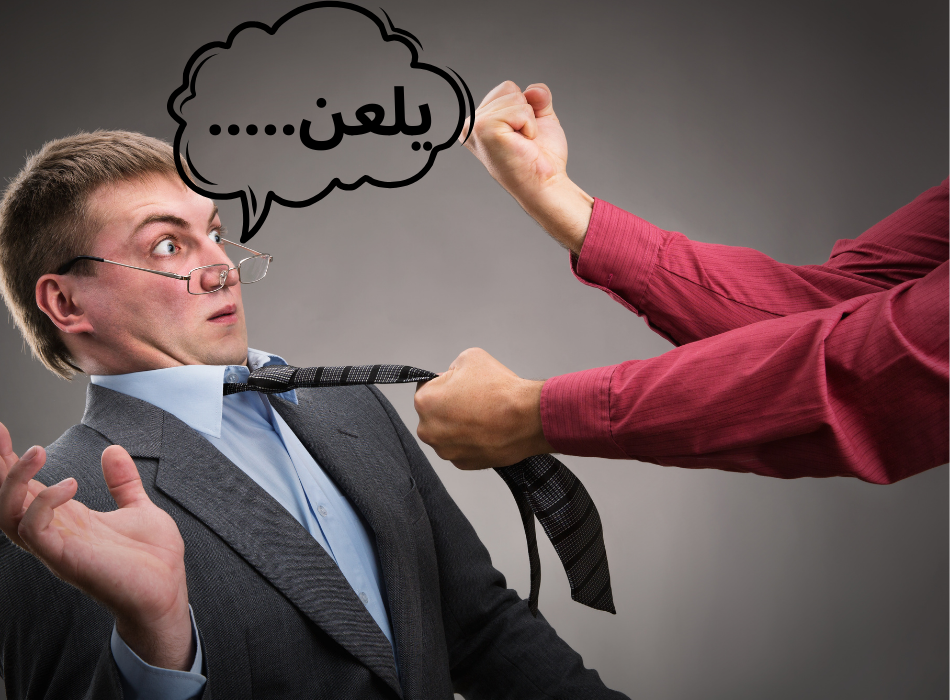
| Curse your father | يلعن أبوك
| يلعن أبوك
ينعل أبوك
| يلعن بوك
| يلعن بوك
| ينعل
is sometimes used as a euphemism for يلعن
|
| Curse your religion | يلعن ديبك
يلعن دينك
| يلعن دينك
ينعل دينك
| X | ينعل دين ديماك
| ديبك
is sometimes used as a euphemism for دينك
|
| Curse your God | يلعن ربّك
| X | X | X | |
| Cursed is the father of whoever gave birth to you | يلعن أبو اللي خلفك
| ملعون أبو اللي جابك
| ملعون بوك
| ينعل اللي ربّاك
ينعل والديك
| |
| Cursed is your mother’s father | X | ملعون أبو أمّك
| يلعن بو أمّك
| ينعل جدّك
| |
| May God curse whoever gave birth to you | يلعن اللي خلفوك
| الله ينعل اللي خلفوك
| يلعن اللي خلفوك
| ينعل والديك
| |
| Curse your mother’s religion | X |
يلعن دين أمّك
| X |
ينعل دين أمّك
| |
3. The gravest insults in Arabic culture
Insults targeting honor and female family members
In Arab culture, the worst insults are directed at a person’s honor, especially through female relatives, carrying connotations of chastity and respect. Such worst Arabic insults can have grave consequences, as honor is a sensitive topic in Arab societies.
Here are some cultural insights into why these insults are particularly grave:
Family honor: An individual’s honor is closely tied to the honor of the women in their family, particularly their wife, mother, and sister. Insulting these women is seen as a direct attack on the family’s reputation and integrity, which is considered unforgivable.
Sexual connotations: The most egregious insults often refer to the reproductive organs of female family members and carry sexual connotations. This reflects the high value placed on female chastity and modesty in Arab societies. Accusations of promiscuity can severely damage a family’s honor.
Severe consequences: Such insults can lead to serious and even fatal consequences. In extreme cases, they can provoke violence or long-term feuds as families feel compelled to defend their honor.
Click to view
| Literal English | Levantine | Egyptian | Gulf | Darija |
| Your mother’s pussy | كس أمّك
| كس أمّك
| كس أمّك
| حتشون يمّك
طبون يمّاك
|
| Your sister’s pussy | كس أختك
| كس أختك
| كس اختك
| X |
| Illegitimate child | ابن حرام
| ابن حرام
| ولد حرام
| ولد الحرام
|
| Fucked One | منيوك
منتاك
| منيوك
متناك
| منيوك
| محوي
|
| Fuck you | X | X | X | بارا نايك
بارا نيك
|
| Go fuck yourself | روح انتاك
| روح اتناك
| نيك نفسك
| سير تحوّا
|
| Fuck your mother | إيري بأمّك
| نيك أمّك
| X | امشي نيك أمّك
نكليك أمّك
|
Gender norms and taboos in Arab culture
The nature of insults often reflects gender norms and societal expectations. Here are some cultural insights into gender-related insults:
- Masculinity and honor: Concepts masculinity and honor are deeply tied to a man’s control over his household and the behavior of his family members, particularly women.
- Modesty and behavior: Insults aimed at women typically criticize their modesty or behavior, highlighting societal expectations for women to uphold modesty and propriety. Accusations of promiscuity are particularly severe and damaging.
- Homosexuality: Insults related to homosexuality are considered extremely offensive due to the prohibition and lack of acceptance of homosexuality in many Arab societies. These insults reflect deep cultural sensitivities and taboos surrounding sexual orientation.
- Gender roles: Any behavior deemed masculine in females or feminine in males is taboo and considered highly insulting. This highlights the strict gender roles and expectations in Arab cultures.
Click to view
| English | Levantine | Egyptian | Gulf | Darija | Notes |
Prostitute
Whore
Slut | قحبة
شرموطة
| قحبة
شرموطة
لبوة
| قحبة
شرموطة
| قحبة
شرموطة
| لبوة
literally means “lioness.” Female lions are thought to be really horny. |
| Cuckold (a man whose wife sleeps around) | ديّوث
مقرّن
| ديّوث
قرني
| ديّوث
جرّار
| ديّوت
قرّان
| مقرّن
قرّان
and
قرني
literally mean “horned” or “horns,” an old symbol associated with infidelity across cultures. جَرَّار
(literally: “dragger”) is someone who “drags” his wife into bed with others. |
| Pimp | عرص
| عرص
معرّص
قوّاد
| قوّاد
| قوّاد
| |
Homosexual
Faggot | شاذ
لوطي
| شاذ
خول
علق
متناك
| لوطي
شاذ
| زامل
ملون
ميبون
شاذ
| لوط
is a prophet in the Bible and Quran, he warned the people of Sodom, who were punished for their sins, including sexual immorality.
شاذ
literally means “deviant” or “perverse”. متناك
is literally a male who gets penetrated. |
| Effeminate man | مخنّث
| منسون
| مخنّث
| نقش
مبنت
مخنّت
| |
| Manly woman | X | دكر
| X | مرجلة
| |
A Lebanese woman responds to some of her critics by proudly calling herself شرموطة, a very crude word meaning “slut” or “whore,” and usually reserved for insults directed at women.
For insults related to female honor, they can be redirected to a man with the word ابن (son of), making it even more offensive, such as ابن الشرموطة
or ابن القحبة
(Son of a whore). Additionally, there’s a common insult in Egypt, ابن المرا
where مرا
is a derogatory term in Egyptian Arabic, although it’s neutral in other dialects. The word مرا
is derived from the MSA terms امرأة
or مرأة
meaning woman.
Other insults
Click to view
| English | Levantine | Egyptian | Gulf | Darija | Notes |
Get lost!
Beat it!
Scram! | انقلع
حل عني
هوّينا
| غور
| اذلف
انقلع
سرّي
| بالاك علي
سير فحالك
| |
| Get out of my face! | انقلع من وجهي
حلّ عن سماي
| غور من وشي
| جب
| قب من وجهي
درق عليا
كمارتك
| |
| Go to hell! | ع جهنّم
| X | لجهنّم
| لجهنّم
| |
| May you be struck with calamity! | X | غور في داهية
داهية تاخدك
|
الطقّاق يطقّك
انقلع قالع
الله يقلعك
| الله يخلّيك بالخلا
| |
| May God not return you! | الله لا يردّك
| X | الله لا يخليك
| الله لا يردّك
| |
| May God take you (your soul)! | الله ياخدك
| ربنا ياخدك
| ربنا ياخذك
| الله ياخدك
| |
| Shut your mouth! | سد تمّك
| اكتم خالص
| شب
| سد فمّك
شد داك الدقوم
| |
| Shut your pie hole! | سد نيعك
| حط جزمة في
بقك
literally: put a shoe in your mouth | صك حلقك
| سد داك الحلق
| |
| Shut up! | اخرس
| اخرس
اتكتم
| شب ولا كلمة
انطم
| سكوت
| These are more harsh than اسكت
(be quiet or silent). |
| Eat shit! | كول خرا
| كل خرا
| كل زق
| كل الخرا
| |
| Eat shit | كول هوا
| X | X | X | Literally: Eat air |
Whatever!
Do what you like!
I don’t give a shit! | روح بلّط البحر
| اتفلق
اخبط راسك في الحيط
| سير ولّي
روح انطز
سرّي
| ضرب راسك مع الحيط
| روح بلّط البحر
Literally: Go pave the sea. Used to express a lack of interest or concern about what the other person is saying, especially a threat |
| May you have pain that will knock out your teeth (or eyes)! | وجع يخلع نيعك
| X | X | عينك غادي يخرجو من بلاصتهوم
| |
Screw that!
Fuck that! | X | أحا
| X | X | A crude exclamation of extreme disapproval |
| I spit on you! | تفو عليك
| تفو عليك
| تفو عليك
| تفو عليك
| |
To hell with it!
What the hell! | العمى
| X | X | X | Literally: blindness |
| May blindness strike you! | العمى يعميك
العمى ضربك
| عمى في عينك
| عمى بعينك
| يضربك العمى
| |
| You’re talking nonsense! | حكيك فاضي
| طيزك حمرا
| طيزك حمرا
| غير كتخربق
غير كطنز
| طيزك حمرا
literally means “your ass is red,” like a baboon’s |
| Lick my dick | تلحس إيري
| X | X | X | Very crude |
| Lick my ass | تلحس طيزي
| X | X | X | Very crude |
A Saudi girl yells at a group of men harassing her.
Even sounds can be considered insulting in Arab culture. A snort شخرة
(which sounds like this
) is sometimes used to express annoyance or disapproval and is considered very vulgar.
A Jordanian comedian attacks the widespread belief in conspiracy theories. He uses شخرة (snort) to express contempt. He gets away with it on YouTube. However, on Arab TV and in movies, such a sound would never make it past censorship, as it is considered highly inappropriate.
Oh, and by the way…
If learning Arabic at your own pace, with fun, real-world videos sounds like your style, then Playaling could be exactly what you’re looking for!
With Playaling, you’ll dive into any major Arabic dialect or MSA. Our diverse range of videos has it all—from everyday conversations and cultural moments to music videos, TV and movie clips, influencer content, news broadcasts, and inspiring talks.
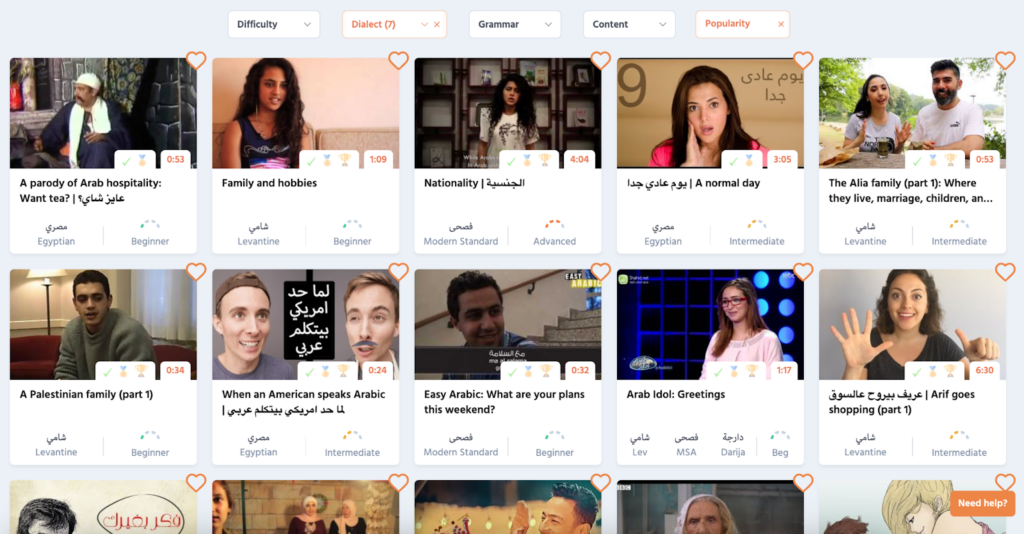
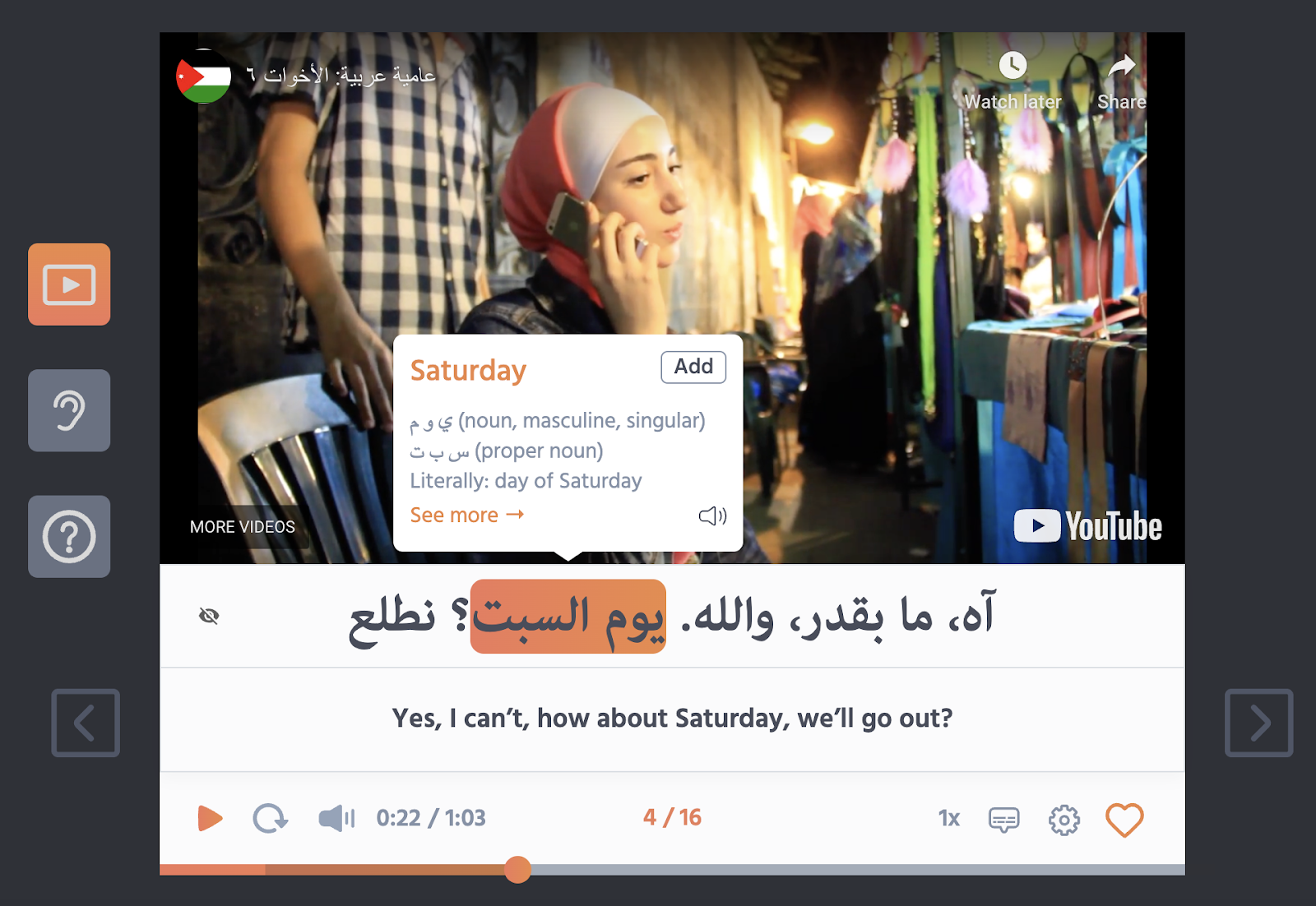
Our interactive captions let you tap any word for instant translations, context, and audio. So, real Arabic content becomes accessible with just a click. Miss something? No problem—rewind and listen as often as you need, or hover over subtitles for quick definitions.
Spot a word you want to learn? Save it to your personalized word set, or dive into curated sets for focused practice and easy review.
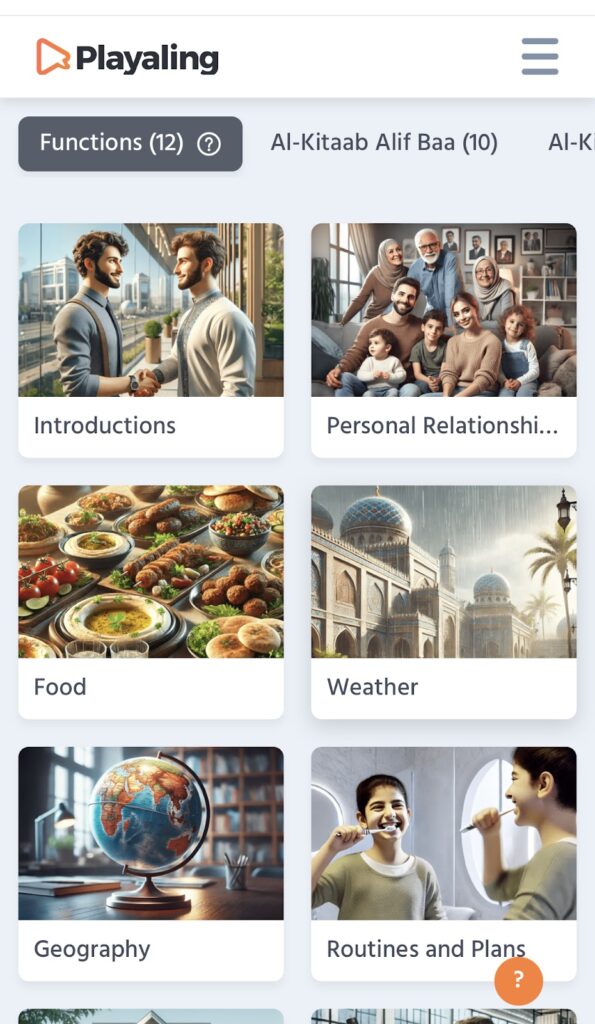
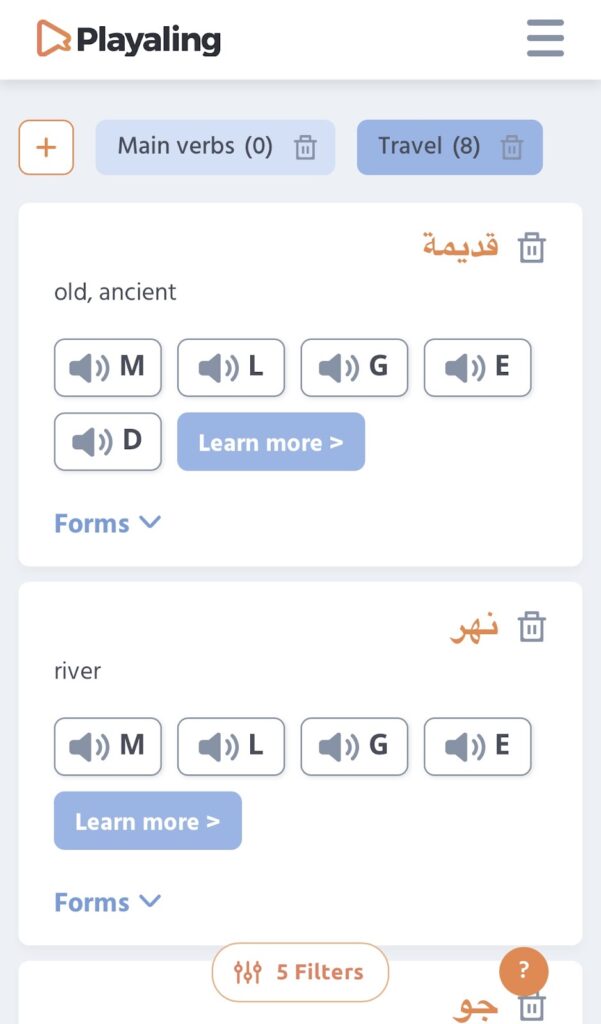
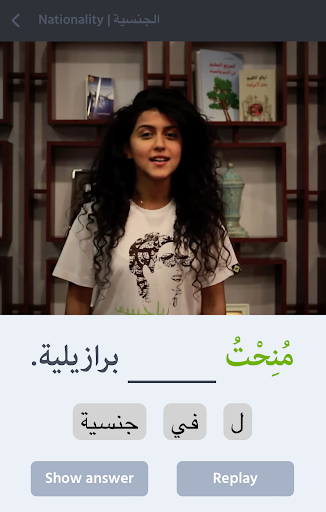
Interactive exercises let you dive in and practice what you’ve learned.
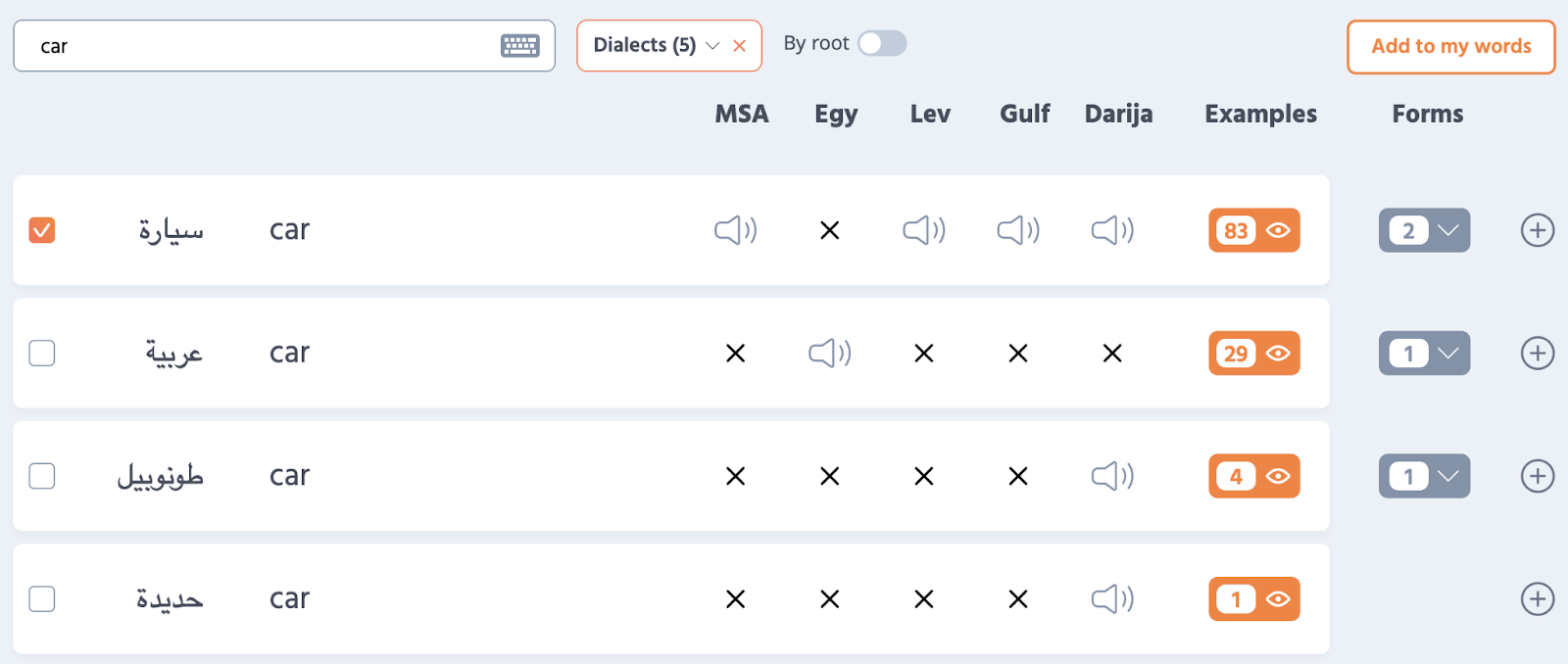
Need to look something up? The Audio Dictionary has you covered with clear human pronunciations and real world examples.
It’s a learning experience that keeps you engaged, bringing authentic, real-world Arabic closer to you every step of the way.
Give it a try!