Adjectives in the Arabic language add depth and detail to descriptions, helping to express qualities, quantities, and states in conversations and written language. In this article, we’ll look at how adjectives are used in Arabic, the types of adjectives, and some specific ways to modify and compare them.
What are adjectives in Arabic?
An adjective (صفة)
is a word that describes a noun, such as جميل
(pretty), قوي
(strong), or سعيد
(happy). In Arabic, adjectives are essential for conveying emotions, characteristics, and qualities, helping listeners or readers visualize and understand the specifics of a noun. They can describe things, specify particular items, or provide additional context, such as الكتاب القديم
(the ancient book) versus الكتاب
(the book).
In Arabic, adjectives are placed after the nouns they modify, and they can be transformed using the prefix ال
to make them definite when they describe a definite noun. Additionally, adjectives agree in gender and number with the nouns they describe. We are going to discuss nouns – adjectives agreement in Arabic in more detail in a separate article.
Types of Adjectives in Arabic
Arabic adjectives can be grouped into various types, each with specific uses:
Descriptive adjectives
Descriptive adjectives describe the qualities or states of people, objects, or things. They include several subtypes such as physical adjectives, qualitative or personality adjectives, and emotional adjectives—words that express a person’s emotional state, whether positive or negative. These adjectives change form based on gender (masculine/feminine) and number (singular/plural), and are widely used in both Modern Standard Arabic (MSA) and spoken varieties.
Note: In Arabic, plural adjective endings often reflect gender. The ات
ending is typically used for feminine plurals, while ون
or ين
are common for masculine plurals. To learn more about how plurals are formed in Arabic, check out our full article here: Plural Formation in Arabic
Here are some examples across different Arabic varieties: Modern Standard Arabic, Levantine, Egyptian, Gulf, and Darija:
In Standard Arabic
Click to view
| English | Masculine | Feminine | Plural |
|---|
| happy | سعيد
| سعيدة
| سعداء
|
| optimistic | متفائل
| متفائلة
| متفائلين
متفائلون
متفائلات
|
| comfortable | مرتاح
| مرتاحة
| مرتاحين
مرتاحون
مرتاحات
|
| enthusiastic | متحمس
| متحمسة
| متحمسين
متحمسون
متحمسات
|
| active | نشيط
| نشيطة
| نُشطاءُ
نِشاط
نشيطات
|
| sad | حزين
| حزينة
| حزانى
حَزِيناتٌ
|
| pessimistic | متشائم
| متشائمة
| متشائمين
متشائمون
متشائمات
|
| annoyed | متضايق
| متضايقة
| متضايقين
متضايقون
متضايقات
|
| angry | غاضب
| غاضبة
| غاضبين
غاضبون
غاضبات
|
| lazy | كسلان
| كسلانة
| كسالى
|
Get free Arabic videos with interactive captions for your level
In Levantine
Click to view
| English | Masculine | Feminine | Plural |
|---|
| happy | مبسوط
| مبسوطة
| مبسوطين
مبسوطات
|
| optimistic | متفائل
| متفائلة
| متفائلين
|
| comfortable | مرتاح
| مرتاحة
| مرتاحين
|
| enthusiastic | متحمس
| متحمسة
| متحمسين
|
| active | نشيط
| نشيطة
| نشيطين
نشطا
|
| sad | زعلان
| زعلانة
| زعلانين
|
| pessimistic | متشائم
| متشائمة
| متشائمين
|
| annoyed | متضايق
| متضايقة
| متضايقين
|
| angry | معصّب
| معصّبة
| معصّبين
|
| lazy | كسلان
| كسلانة
| كسلانين
|
This clip from a Jordanian video showcases a traditional Jordanian custom — don’t miss the ending!
In Egyptian
Click to view
| English | Masculine | Feminine | Plural |
|---|
| happy | مبسوط
| مبسوطة
| مبسوطين
|
| comfortable | متفائل
| متفائلة
| متفائلين
|
| relaxed | مرتاح
| مرتاحة
| مرتاحين
|
| enthusiastic | متحمس
| متحمسة
| متحمسين
|
| active | نشيط
| نشيطة
| نشيطين
نُشطا
|
| sad | زعلان
| زعلانة
| زعلانين
|
| pessimistic | متشائم
| متشائمة
| متشائمين
|
| annoyed | متضايق
| متضايقة
| متضايقين
|
| angry | متعصّب
| متعصّبة
| متعصّبين
|
| lazy | كسلان
| كسلانة
| كسلانين
|
Notice the Egyptian adjective used in this clip from an interview between an Egyptian host and a famous Kuwaiti child.
In Gulf
Click to view
| English | Masculine | Feminine | Plural |
|---|
| happy | مبسوط
| مبسوطة
| مبسوطين
|
| optimistic | متفائل
| متفائلة
| متفائلين
|
| comfortable | مرتاح
| مرتاحة
| مرتاحين
|
| enthusiastic | متحمس
| متحمسة
| متحمسين
|
| active | نشيط
| نشيطة
| نشيطين
|
| sad | زعلان
| زعلانة
| زعلانين
|
| pessimistic | متشائم
| متشائمة
| متشائمين
|
| annoyed | متضايق
| متضايقة
| متضايقين
|
| angry | معصّب
| معصّبة
| معصّبين
|
| lazy | كسول
| كسولة
| كسولين
|
In Darija
Click to view
| English | Masculine | Feminine | Plural |
|---|
| happy | فرحان
| فرحانة
| فرحانين
|
| optimistic | متفائل
| متفائلة
| متفائلين
|
| comfortable | مرتاح
| مرتاحة
| مرتاحين
|
| enthusiastic | متحمس
| متحمسة
| متحمسين
|
| active | نشيط
| نشيطة
| نشيطين
|
| sad | حزين
| حزينة
| حزينين
|
| pessimistic | متشائم
| متشائمة
| متشائمين
|
| annoyed | معصّب
| معصّبة
| معصّبين
|
| angry | معصّب
| معصّبة
| معصّبين
|
| lazy | معجاز
| معجازة
| معاجيز
معجازين
|
Pay attention to the word معصّب mentioned in the video and learn one of the modern expressions we use when angry in Gulf Arabic.
Physical adjectives
They are used to describe physical attributes of people or objectives.
In Standard Arabic
Click to view
| English | Masculine | Feminine | Plural |
|---|
| strong | قوي
| قوية
| أقوياء
|
| weak | ضعيف
| ضعيفة
| ضُعَفاءُ
ضعاف
|
| tall | طويل
| طويلة
| طوال
طويلات
|
| short | قصير
| قصيرة
| قصار
قصيرات
|
| big | كبير
| كبيرة
| كبار
كبيرات
|
| small | صغير
| صغيرة
| صغار
صغيرات
|
| wide | واسع
| واسعة
| واسعين
واسعون
واسعات
|
| tight | ضيق
| ضيقة
| ضيقين
ضيقون
ضيقات
|
| blonde | أشقر
| شقراء
| شقر
شقراوات
|
| fast | سريع
| سريعة
| سِراع
سُرْعان
|
| slow | بطيء
| بطيئة
| بطيئون
بطيئين
بطيئات
بطاء
|
| dark-skinned | أسمر
| سمراء
| سمر
سمراوات
|
| blind | أعمى
| عمياء
| عميان
عمي
عمياوات
|
| deaf | أطرش
| طرشاء
| طرش
|
| mute | أخرس
| خرساء
| خُرس
خُرسان
|
| bald | أصلع
| صلعاء
| صلع
صلعان
|
Three adjectives in Modern Standard Arabic are mentioned in this clip — can you spot them?
In Levantine
Click to view
| English | Masculine | Feminine | Plural |
|---|
| strong | قوي
| قوية
| أقويا
قوايا
|
| weak | ضعيف
| ضعيفة
| ضعاف
ضعفا
|
| tall | طويل
| طويلة
| طوال
طويلين
طويلات
|
| short | قصير
| قصيرة
| قصيرين
قصار
|
| big | كبير
| كبيرة
| كبار
|
| small | صغير
| صغيرة
| صغار
|
| wide | واسع
| واسعة
| واسعين
|
| tight | ضيق
| ضيقة
| ضيقين
|
| blonde | أشقر
| شقرا
| شقر
|
| fast | سريع
| سريعة
| سريعين
|
| slow | بطيء
| بطيئة
| بطيئين
|
| dark-skinned | أسمر
| سمرا
| سمر
|
| blind | أعمى
| عميا
| عميان
|
| deaf | أطرش
| طرشا
| طرش
طرشان
|
| mute | أخرس
| خرسا
| خرس
خرسان
|
| bald | أصلع
| صلعا
| صلع
|
In Egyptian
Click to view
| English | Masculine | Feminine | Plural |
|---|
| strong | قوي
| قوية
| أقويا
|
| weak | ضعيف
| ضعيفة
| ضعاف
ضعفا
|
| tall | طويل
| طويلة
| طوال
|
| short | قصير
| قصيرة
| قصيرين
|
| big | كبير
| كبيرة
| كبار
|
| small | صغير
| صغيرة
| صغار
صغيرين
|
| wide | واسع
| واسعة
| واسعين
|
| tight | ضيق
| ضيقة
| ضيقين
|
| blonde | أشقر
| شقرا
| شقر
|
| fast | سريع
| سريعة
| سريعين
|
| slow | بطيء
| بطيئة
| بَطَأَة
بطاء
|
| dark-skinned | أسمر
| سمرا
| سمر
|
| blind | أعمى
| عميا
| عمي
|
| deaf | أطرش
| طرشا
| طرش
|
| mute | أخرس
| خرسا
| خرس
|
| bald | أصلع
| صلعا
| صلع
|
In Gulf
Click to view
| English | Masculine | Feminine | Plural |
|---|
| strong | قوي
| قوية
| أقويا
أقوياء
|
| weak | ضعيف
| ضعيفة
| ضعيفين
|
| tall | طويل
| طويلة
| طوال
|
| short | قصير
| قصيرة
| قصار
|
| big | كبير
| كبيرة
| كبار
|
| small | صغير
| صغيرة
| صغار
صغيرات
|
| wide | واسع
| واسعة
| واسعين
|
| tight | ضيق
| ضيقة
| ضيقين
|
| blonde | أشقر
| شقرا
| شقر
|
| fast | سريع
| سريعة
| سريعين
|
| slow | بطيء
| بطيئة
| بطيئين
|
| dark-skinned | أسمر
| سمرا
| سمر
|
| blind | أعمى
| عميا
| عميان
|
| deaf | أطرش
| طرشا
| طرش
|
| mute | أخرس
| خرسا
| خرس
|
| bald | أصلع
| صلعا
| صلع
|
In Darija
Click to view
| English | Masculine | Feminine | Plural |
|---|
| strong | قوي
| قوية
| قويين
|
| weak | ضعيف
| ضعيفة
| ضعافين
|
| tall | طويل
| طويلة
| طوال
|
| short | قصير
| قصيرة
| قصار
|
| big | كبير
| كبيرة
| كبار
كبارين
|
| small | صغير
| صغيرة
| صغار
صغارين
|
| wide | واسع
| واسعة
| واسعين
|
| tight | ضيق
| ضيقة
| ضيقين
|
| blonde | زعرا
| زعر
| زعرين
زوعر
|
| fast | سريع
| سريعة
| سريعين
|
| slow | تقيل
| تقيلة
| تقالين
|
| dark-skinned | سمر
| سمرا
| سمروات
سمر
|
| blind | عميان
| عميانة
| عميانين
|
| deaf | صمك
| صمكة
| صمكين
|
| mute | زيزونة
| زوزون
| زيازن
|
| bald | أصلع
| صلعا
| صلع
|
Qualitative adjectives
They are used to describe a quality of something or someone.
In Standard Arabic
Click to view
| English | Masculine | Feminine | Plural |
|---|
| real | حقيقي
| حقيقية
| حقيقيين
حقيقيون
حقيقيات
|
| useful | مفيد
| مفيدة
| مفيدين
مفيدون
مفيدات
|
| fake | مزيف
| مزيفة
| مزيفين
مزيفون
مزيفات
|
| harmful | مؤذي
| مؤذية
| مؤذيين
مؤذيون
مؤذيات
|
| good | جيّد
| جيّدة
| جيدين
جيدون
جيدات
|
| bad | سيء
| سيئة
| سيئين
سيئون
سيئات
|
In Levantine
Click to view
| English | Masculine | Feminine | Plural |
|---|
| real | حقيقي
| حقيقية
| حقيقيين
|
| useful | مفيد
| مفيدة
| مفيدين
|
| fake | مزيف
| مزيفة
| مزيفين
|
| harmful | مؤذي
| مؤذية
| مؤذيين
|
| good | منيح
| منيحة
| مناح
منيحين
|
| bad | سيء
| سيئة
| سيئين
|
In Egyptian
Click to view
| English | Masculine | Feminine | Plural |
|---|
| real | حقيقي
| حقيقية
| حقيقيين
|
| useful | مفيد
| مفيدة
| مفيدين
|
| fake | مزيف
| مزيفة
| مزيفين
|
| harmful | مؤذي
| مؤذية
| مؤذيين
|
| good | كويس
| كويسة
| كويسين
|
| bad | وحش
| وحشة
| وحشين
|
In Gulf
Click to view
| English | Masculine | Feminine | Plural |
|---|
| real | حقيقي
| حقيقية
| حقيقيين
|
| useful | مفيد
| مفيدة
| مفيدين
|
| fake | مزيف
| مزيفة
| مزيفين
|
| harmful | مضر
| مضرة
| مضرين
|
| good | جيّد
| جيّدة
| جيّدين
|
| bad | سيء
| سيئة
| سيئين
|
This clip is from a Saudi video about culture shock — pay attention to the adjective mentioned and don’t miss the chance to learn more by watching the full video.
In Darija
Click to view
| English | Masculine | Feminine | Plural |
|---|
| real | حقيقي
| حقيقية
| حقيقيين
|
| useful | مفيد
| مفيدة
| مفيدين
|
| fake | مزور
| مزورة
| مزورين
|
| harmful | خطير
| خطيرة
| خطيرين
|
| good | مزيان
| مزيانة
| مزيانين
|
| bad | خايب
| خايبة
| خايبين
|
Quantitative adjectives
Quantitative adjectives provide information about the amount or quantity of the noun:
In Standard Arabic
Click to view
| English | Masculine | Feminine | Plural | Example sentence |
|---|
| a lot | كثير
| كثيرة
| كثيرون
كثيرين
كثيرات
| لدي عمل كثير
I have a lot of work |
| (a) little | قليل
| قليلة
| قليلين
قليلون
قليلات
قلائل
| بقي القليل من الوقت
There is little time left |
| crowded | مزدحم
| مزدحمة
| مزدحمون
مزدحمين
| مشيت في شارع مزدحم
I walked in a crowded street |
| empty | فارغ
| فارغة
| فارغين
فارغون
فارغات
| غرفة فارغة
Empty room |
In Levantine
Click to view
| English | Masculine | Feminine | Plural | Example sentence |
|---|
| a lot | كتير
| كتيرة
| كتار
| عندي شغل كتير
I have a lot of work |
| (a) little | شوي
| شوية
| X | ضل شوية وقت
There is little time left |
| crowded | زحمة
| زحمة
| زحمة
| مشيت بشارع فيه زحمة
I walked in a crowded street |
| empty | فاضي
| فاضية
| فاضيين
| غرفة فاضية
Empty room |
A clip from a Jordanian Arabic video where the girl talks about her daily routine.
In Egyptian
Click to view
| English | Masculine | Feminine | Plural | Example sentence |
|---|
| a lot | كتير
| كتيرة
| كتار
| عندي شغل كتير
I have a lot of work |
| (a) little | قليل
| قليلة
| قليلين
| فاضل وقت قليل
There is little time left |
| crowded | زحمة
| زحمة
| زحمة
|
مشيت في شارع زحمة I walked in a crowded street |
| empty | فاضي
| فاضية
| فاضيين
| أوضة فاضية
Empty room |
A clip from an Egyptian series — it contains great expressions.
In Gulf
Click to view
| English | Masculine | Feminine | Plural | Example sentence |
|---|
| a lot | كثير
| كثيرة
| كثيرين
| عندي شغل كثير
I have a lot of work |
| (a) little | قليل
| قليلة
| قليلين
| ما بقى غير وقت قليل
There is little time left |
| crowded | زحمة
| زحمة
| زحمة
| مشيت بشارع زحمة
I walked in a crowded street |
| empty | فاضي
| فاضية
| فاضيين
| غرفة فاضية
Empty room |
In Darija
Click to view
| English | Masculine | Feminine | Plural | Example sentence |
|---|
| a lot | بزاف
| بزاف
| بزاف
|
عندي بزاف ديال الشغل
I have a lot of work |
| (a) little | شوية
| شوية
| شوية
| باقي شوية ديال الوقت
There is little time left |
| crowded | زحام
| زحام
| زحام
| مشيت فواحد الشارع فيه الزحام
I walked in a crowded street |
| empty | خاوي
| خاوية
| خاويين
| بيت خاوي
Empty room |
This clip is from “Derrej m3aya,” a new program for learning Moroccan Darija.
Relational and nationality adjectives
These relational adjectives describe a specific category about an item, its material, or where someone or something is from, often derived from names by adding -ي
to create a masculine adjective or -ية
for feminine, with a plural form usually ending in يين
. However, there are some exceptions. The following table shows examples of those country adjectives:
In Standard Arabic
Click to view
| English | Country name | Masculine | Feminine | Plural |
|---|
| Swedish | السويد
| سويدي
| سويدية
| سويديين
سويديون
|
| Greek | اليونان
| يوناني
| يونانية
| يونانيين
يونانيون
|
| Palestinian | فلسطين
| فلسطيني
| فلسطينية
| فلسطينيين
فلسطينيون
|
| Brazilian | البرازيل
| برازيلي
| برازيلية
| برازيليين
برازيليون
|
| Indian | الهند
| هندي
| هندية
| هنود
|
| Tunisian | تونس
| تونسي
| تونسية
| تونسيين
تونسيون
|
| Moroccan | المغرب
| مغربي
| مغربية
| مغاربة
|
| American | أمريكا
| أمريكي
| أمريكية
| أمريكيين
أمريكيون
أمريكيات
|
| Italian | إيطاليا
| إيطالي
| إيطالية
| إيطاليين
إيطاليون
إيطاليات
|
| Spanish | إسبانيا
| إسباني
| إسبانية
| إسبانيين
إسبانيون
إسبانيات
إسبان
|
In Levantine
Click to view
| English | Country name | Masculine | Feminine | Plural |
|---|
| Swedish | السويد
| سويدي
| سويدية
| سويديين
|
| Greek | اليونان
| يوناني
| يونانية
| يونانيين
|
| Palestinian | فلسطين
| فلسطيني
| فلسطينية
| الفلسطينية
فلسطينيين
|
| Brazilian | البرازيل
| برازيلي
| برازيلية
| برازيليين
|
| Indian | الهند
| هندي
| هندية
| هنود
|
| Tunisian | تونس
| تونسي
| تونسية
| توانسة
تونسيين
|
| Moroccan | المغرب
| مغربي
| مغربية
| مغاربة
مغربيات
مغربيين
|
| American | أمريكا
| أمريكي
| أمريكية
| أمريكيين
|
| Italian | إيطاليا
| إيطالي
| إيطالية
| إيطاليين
|
| Spanish | إسبانيا
| إسباني
| إسبانية
| إسبان
إسبانيين
|
In Egyptian
Click to view
| English | Country name | Masculine | Feminine | Plural |
|---|
| Swedish | السويد
| سويدي
| سويدية
| سويديين
|
| Greek | اليونان
| يوناني
| يونانية
| يونانيين
|
| Palestinian | فلسطين
| فلسطيني
| فلسطينية
| فلسطينيين
|
| Brazilian | البرازيل
| برازيلي
| برازيلية
| برازيليين
|
| Indian | الهند
| هندي
| هندية
| هنود
|
| Tunisian | تونس
| تونسي
| تونسية
| توانسة
|
| Moroccan | المغرب
| مغربي
| مغربية
| مغاربة
|
| American | أمريكا
| أمريكي
| أمريكية
| أمريكيين
|
| Italian | إيطاليا
| إيطالي
| إيطالية
| إيطاليين
|
| Spanish | أسبانيا
| أسباني
| أسبانية
| أسبان
|
In Gulf
Click to view
| English | Country name | Masculine | Feminine | Plural |
|---|
| Swedish | السويد
| سويدي
| سويدية
| سويديين
|
| Greek | اليونان
| يوناني
| يونانية
| يونانيين
|
| Palestinian | فلسطين
| فلسطيني
| فلسطينية
| فلسطينيين
|
| Brazilian | البرازيل
| برازيلي
| برازيلية
| برازيليين
|
| Indian | الهند
| هندي
| هندية
| هنود
|
| Tunisian | تونس
| تونسي
| تونسية
| تونسيين
|
| Moroccan | المغرب
| مغربي
| مغربية
| مغاربة
|
| American | أمريكا
| أمريكي
| أمريكية
| أمريكان
|
| Italian | إيطاليا
| إيطالي
| إيطالية
| إيطاليين
|
| Spanish | إسبانيا
| إسباني
| إسبانية
| إسبانيين
|
In Darija
Click to view
| English | Country name | Country name | Feminine | Plural |
|---|
| Swedish | السويد
| سويدي
| سويدية
| سويديين
|
| Greek | اليونان
| يوناني
| يونانية
| يونانيين
|
| Palestinian | فلسطين
| فلسطيني
| فلسطينية
| فلسطينيين
فلسطينية
|
| Brazilian | البرازيل
| برازيلي
| برازيلية
| برازيليين
|
| Indian | الهند
| هندي
| هندية
| هنود
|
| Tunisian | تونس
| تونسي
| تونسية
| توانسة
|
| Moroccan | المغرب
| مغربي
| مغربية
| مغاربة
|
| American | أمريكا
| أميركي
| أمريكية
| أمريكيين
|
| Italian | إيطاليا
| إيطالي
| إيطالية
| إيطاليين
|
| Spanish | سبانيا
| سبنيولي
| سبنيولية
| سبنيوليين
|
To describe the material of an object, we add ي to the noun of this material in MSA, Levantine, and Gulf. Here are some examples:
In Standard Arabic
Click to view
| English | Arabic noun | Adjective |
|---|
| wooden | خشب
| خشبي
|
| stone | حجر
| حجري
حجرية
|
| metal | معدن
| معدني
|
| steel | فولاذ
| فولاذي
|
In Levantine
Click to view
| English | Arabic noun | Adjective |
|---|
| wooden | خشب
| خشبي
|
| stone | حجر
| حجري
حجرية
|
| metal | معدن
| معدني
|
| steel | بولاد
فولاذ
| بولادي
فولاذي
|
In Egyptian
Click to view
| English | Arabic noun | Adjective |
|---|
| wooden | خشب
| خشب
|
| stone | حجر
| حجر
|
| metal | معدن
| معدن
|
| steel | فولاذ
| فولاذي
|
In Gulf
Click to view
| English | Arabic noun | Adjective |
|---|
| wooden | خشب
| خشبي
|
| stone | حجر
| حجري
|
| metal | معدن
| معدني
|
| steel | ستيل
| ستيل
|
In Darija
Click to view
| English | Arabic noun | Adjective |
|---|
| wooden | خشب
| من الخشب
|
| stone | حجر
| من الحجر
|
| metal | معدن
| من المعدن
|
| steel | حديد
| من الحديد
|
Basic colors follow specific patterns in Arabic, often changing forms based on the gender and plurality of the noun they describe.
Adverbs used after adjectives
To modify adjectives further, various adverbs can be added after the adjective:
In Standard Arabic
Click to view
| English | Arabic | Example sentence |
|---|
| A bit/slightly | قليلًا
| أنا متعب قليلًا
I am a bit tired |
| very | كثيرًا
| أنا سعيد كثيرًا
I am very happy |
| extremely | جدًا
| أنا مشغول جدًا
I am extremely busy |
In Levantine
Click to view
| English | Arabic | Example sentence |
|---|
| A bit/slightly | شوي
| أنا تعبان شوي
I am a bit tired |
| very | كتير
| أنا مبسوط كتير
I am very happy |
| extremely | ع الآخر
| أنا مشغول ع الآخر
I am extremely busy |
In Egyptian
Click to view
| English | Arabic | Example sentence |
|---|
| A bit/slightly | شوية
| أنا تعبان شوية
I am a bit tired |
| very | أوي
| أنا مبسوط أوي
I am very happy |
| extremely | جدًا
| أنا مشغول جدًا
I am extremely busy |
In Gulf
Click to view
| English | Arabic | Example sentence |
|---|
| A bit/slightly | شوي
| أنا تعبان شوي
I am a bit tired |
| very | مرّة
| أنا مبسوط مرة
I am very happy |
| extremely | مرة
| أنا مشغول مرة
I am extremely busy |
In Darija
Click to view
| English | Arabic | Example sentence |
|---|
| A bit/slightly | شي شوية
| أنا عيان شي شوية
I am a bit tired |
| very | بزاف
| أنا فرحان بزاف
I am very happy |
| extremely | بزاف
| أنا مشغول بزاف
I am extremely busy |
Comparatives and superlatives in Arabic
In Arabic, comparatives and superlatives use the أفعل
form, with context determining the meaning. To make comparisons, you should use the preposition من
after the أفعل
form of the adjective, like أطول من
for “taller than.”
Comparing two items
In Standard Arabic
| English | English |
|---|
| Mohamed is taller than me | محمد أطول مني
|
| He’s smarter than I imagined | إنه أذكى مما كنت أتخيل
|
In Levantine
| English | Arabic |
|---|
| Mohamed is taller than me | محمد أطول مني
|
| He’s smarter than I imagined | هو أذكى من ما كنت متخيل
|
In Egyptian
| English | Arabic |
|---|
| Mohamed is taller than me | محمد أطول مني
|
| He’s smarter than I imagined | هو أذكى من ما كنت متخيل
|
In Gulf
| English | Arabic |
|---|
| Mohamed is taller than me | محمد أطول مني
|
| He’s smarter than I imagined | هو أذكى من ما كنت متخيل
|
In Darija
| English | Arabic |
|---|
| Mohamed is taller than me | محمد طويل عليا
|
| He’s smarter than I imagined | هو دكي من اللي سحابلي
|
Using a superlative
In Standard Arabic
| English | Arabic |
|---|
| Youssef is the tallest boy | يوسف أطول ولد
|
| This is the largest size in the shop | هذا أكبر مقاس في المحل
|
In Levantine
| English | Arabic |
|---|
| Youssef is the tallest boy | يوسف أطول ولد
|
| This is the largest size in the shop | هاد أكبر مقاس بالمحل
|
In Egyptian
| English | Arabic |
|---|
| Youssef is the tallest boy | يوسف أطول ولد
|
| This is the largest size in the shop | ده أكبر مقاس في المحل
|
In Gulf
| English | Arabic |
|---|
| Youssef is the tallest boy | يوسف أطول ولد
|
| This is the largest size in the shop | هذا اكبر حجم في المحل
|
In Darija
| English | Arabic |
|---|
| Youssef is the tallest boy | يوسف هو أطول ولد
|
| This is the largest size in the shop | هادي أكبر طاية فالمحل
|
How to form adjectives naturally in Arabic
Forming adjectives in Arabic is mainly about getting familiar with patterns like adding the prefixes -ي
or -ية
and being aware of gender and plural. For example, to say someone is Egyptian (from Egypt مصر
) we add ي to the noun to get the masculine adjective مصري
(Egyptian man). For the feminine form it becomes مصرية
(Egyptian woman). The plural form is مصريين
(Egyptians).
To form adjectives in Arabic you should remember:
- Put the adjective after the noun.
- Make sure it’s the same gender and number as the noun.
- Add emphasis with words like: جدًا
for “very”.
Oh, and by the way…
If learning Arabic at your own pace, with fun, real-world videos sounds like your style, then Playaling could be exactly what you’re looking for!
With Playaling, you’ll dive into any major Arabic dialect or MSA. Our diverse range of videos has it all—from everyday conversations and cultural moments to music videos, TV and movie clips, influencer content, news broadcasts, and inspiring talks.
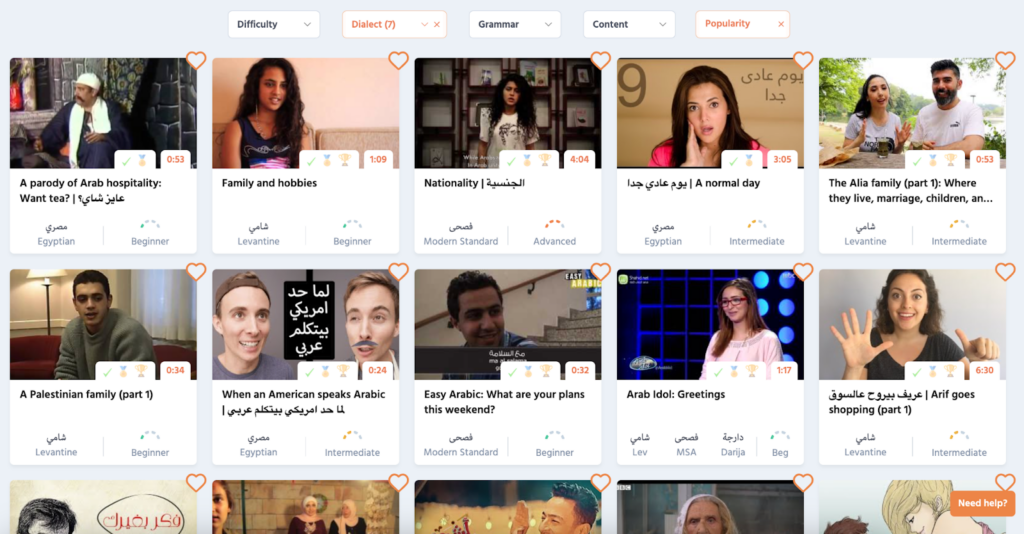
Our interactive captions let you tap any word for instant translations, context, and audio. So, real Arabic content becomes accessible with just a click. Miss something? No problem—rewind and listen as often as you need, or hover over subtitles for quick definitions.
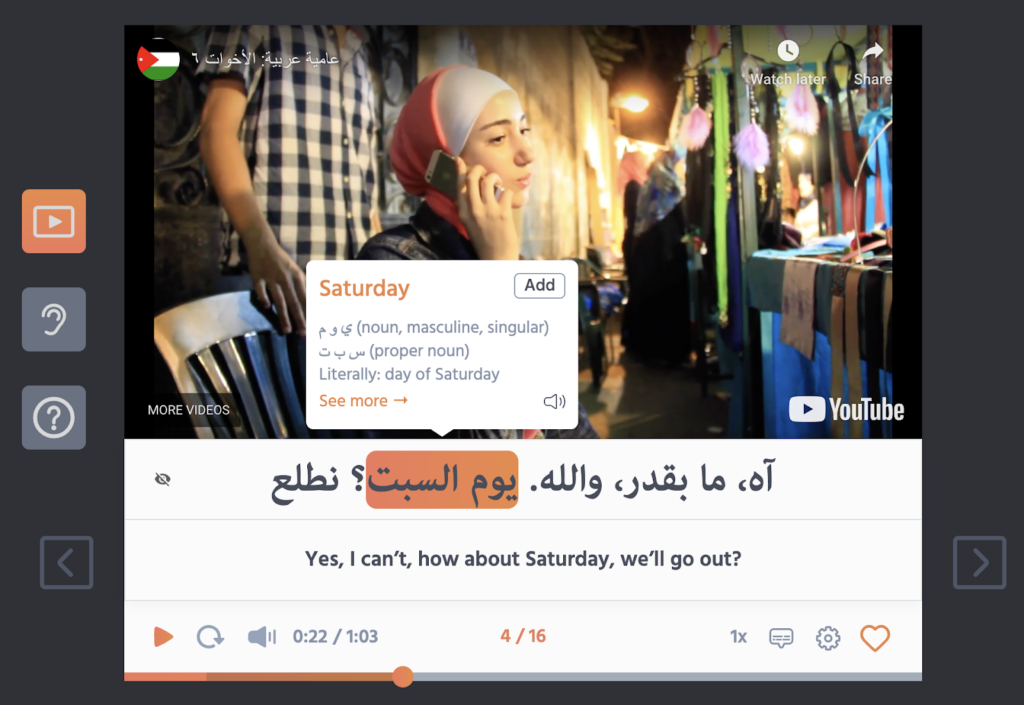
Spot a word you want to learn? Save it to your personalized word set, or dive into curated sets for focused practice and easy review.
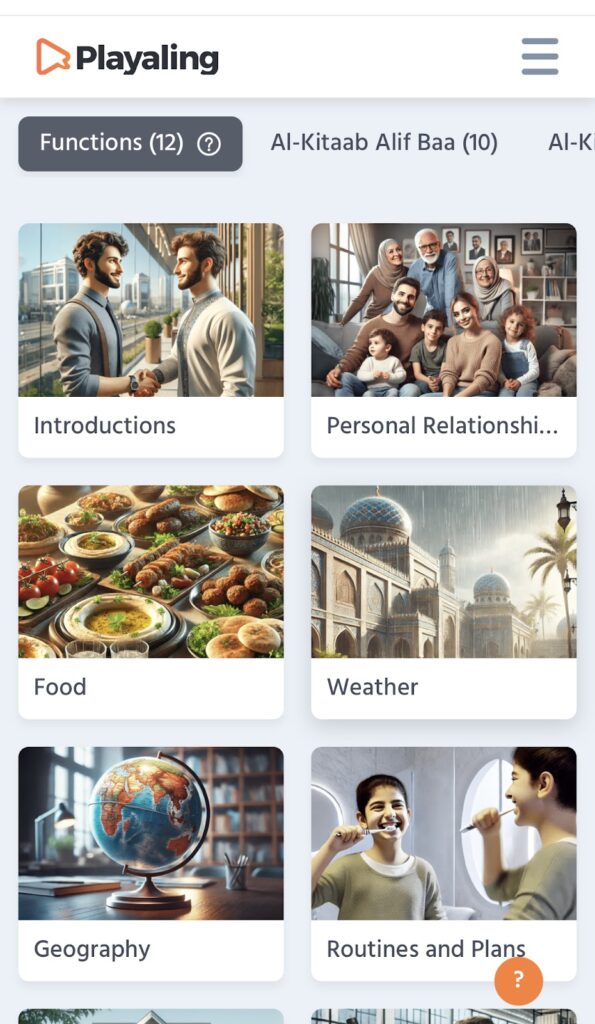
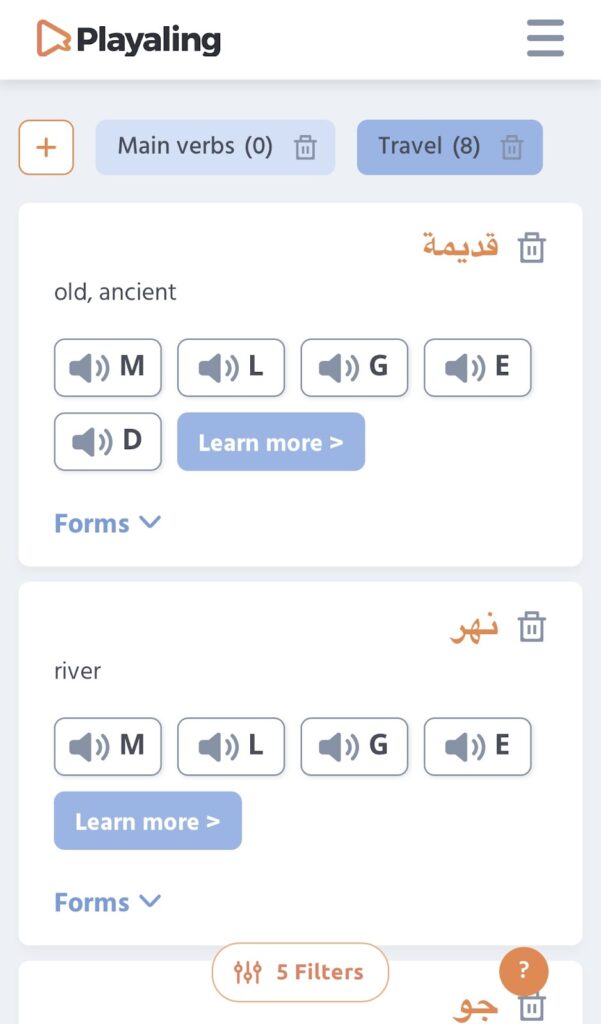
Interactive exercises let you dive in and practice what you’ve learned.
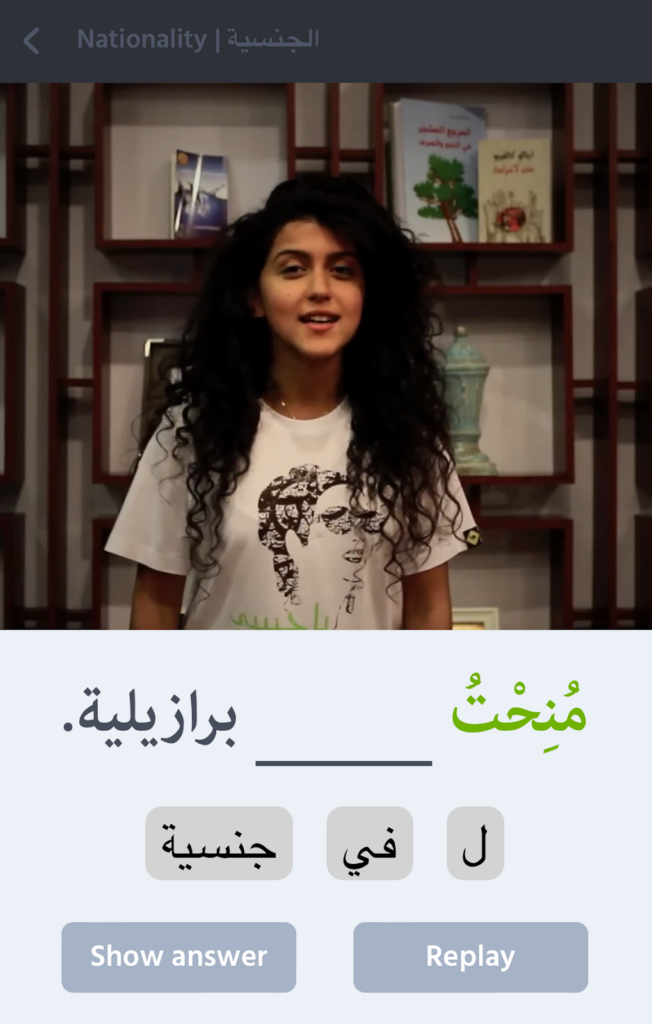
Need to look something up? The Audio Dictionary has you covered with clear human pronunciations and real world examples.
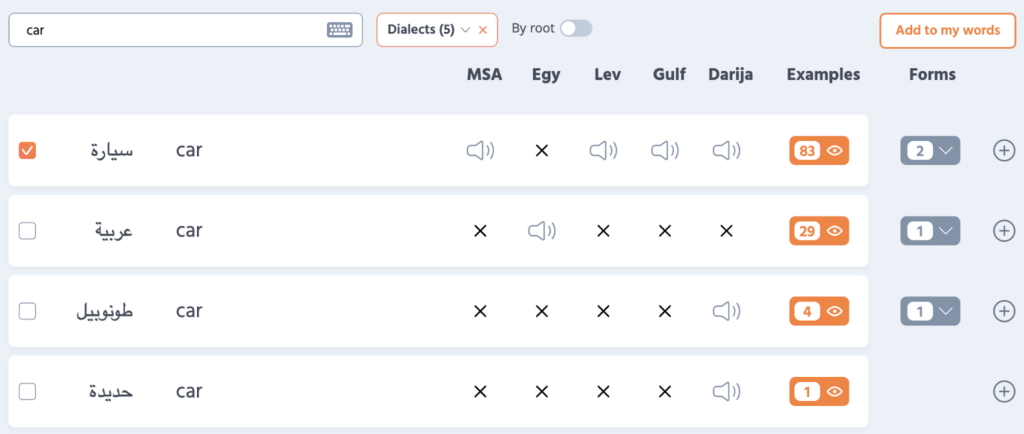
It’s a learning experience that keeps you engaged, bringing authentic, real-world Arabic closer to you every step of the way.
Give it a try!